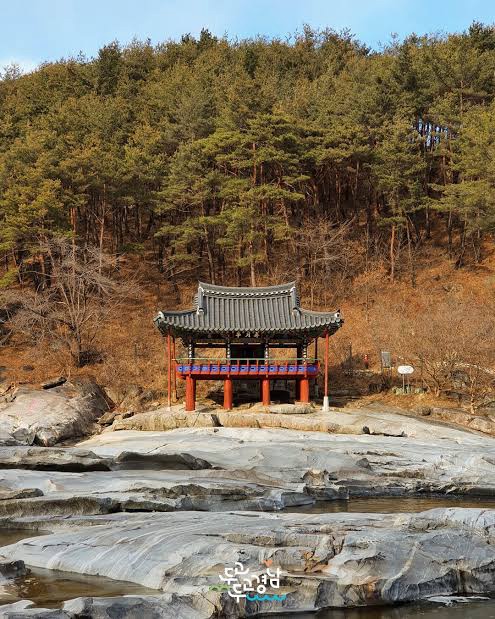
Nestled in the peaceful landscapes of Hamyang County, Nongwoljeong Pavilion is a quiet yet captivating destination that perfectly captures the harmony between traditional Korean architecture and natural beauty. This historic pavilion, surrounded by lush greenery and gentle flowing waters, offers visitors a glimpse into Korea’s cultural past while providing a tranquil escape from modern life.
Overview of Nongwoljeong Pavilion
Nongwoljeong Pavilion is a traditional Korean pavilion (jeongja) built as a place for scholars and officials to relax, reflect, and enjoy the surrounding scenery. The name “Nongwoljeong” roughly translates to “Pavilion of Playing with the Moon,” symbolizing a poetic appreciation of nature, especially moonlit nights.
Set near a calm stream and framed by forested hills, the pavilion embodies the aesthetic principles of balance, simplicity, and natural harmony that are central to Korean design.
Historical Significance
Dating back to the Joseon Dynasty, Nongwoljeong Pavilion served as a cultural and intellectual retreat. Scholars would gather here to:
- Write poetry
- Study Confucian philosophy
- Appreciate seasonal landscapes
- Engage in quiet contemplation
Like many pavilions of its time, it was not meant for residence but for reflection and artistic inspiration. The setting itself played a key role in shaping the thoughts and works of those who visited.
Architectural Features
Nongwoljeong Pavilion showcases classic Korean wooden architecture:
- Open-sided design allowing panoramic views of nature
- Raised wooden floors for ventilation and comfort
- Elegant curved rooflines typical of traditional hanok structures
- Minimal ornamentation, emphasizing harmony with the environment
The pavilion’s placement is intentional, it is positioned to maximize views of the surrounding mountains, water, and sky, making it an ideal spot for quiet observation.
Scenic Beauty
One of the most captivating aspects of Nongwoljeong Pavilion is its natural setting:
- A gentle stream flows nearby, creating a calming soundscape
- Dense forests surround the pavilion, offering shade and seasonal color
- Autumn brings vibrant foliage, while spring offers fresh greenery and blossoms
- The pavilion is especially magical under moonlight, living up to its name
The landscape changes beautifully throughout the year, making it a worthwhile visit in any season.
Visitor Experience
Visitors to Nongwoljeong Pavilion can expect a peaceful and reflective experience. It’s not a crowded tourist hotspot, which adds to its charm.
Popular activities include:
- Quiet walks along nearby trails
- Photography of traditional architecture and landscapes
- Meditation or relaxation in nature
- Cultural exploration of Korea’s scholarly traditions
How to Get There
Nongwoljeong Pavilion is located in Hamyang County, which is accessible by car or regional bus from major cities like Busan or Jinju. While public transportation is available, renting a car is recommended for easier access to the surrounding countryside.
Final Thoughts
Nongwoljeong Pavilion is more than just a historical site, it’s a place where time slows down. Whether you’re interested in Korean history, architecture, or simply looking for a quiet retreat in nature, this pavilion offers a meaningful and memorable experience.
If you’re exploring the lesser-known treasures of South Korea, Nongwoljeong Pavilion deserves a spot on your itinerary.
 Shadows of Monte Cristo
Leave a comment